
Casinos online have become more than just digital versions of their traditional counterparts. They’ve grown into fully immersive entertainment platforms where design, atmosphere, and reward systems merge to create realistic and, I’d say, surprisingly emotional experiences. It’s not only about spinning reels or flipping cards anymore; it’s about feeling like you’ve stepped into another world without leaving your chair.
One such platform that encapsulates this blend of excitement and immersion is https://pirots4demo.uk/, where every login feels like opening the door to a new experience. It’s interesting how the smallest details, like sound effects or thematic backgrounds, can shape how long someone wants to stay or how deeply they feel connected to the game. I honestly didn’t expect themes to matter this much until I noticed how quickly time flies when the visuals and music pull you in.
For years, online casinos were mostly functional. The visuals were simple, interfaces a bit clunky. But now, developers are chasing realism and imagination in equal measure. Some sites go for strikingly realistic casino floors with background chatter, while others dive into fantasy themes that make you forget about reality altogether. A few even use virtual reality technologies that allow players to move around digital lounges or chat with virtual dealers. That’s a shift I didn’t quite see coming so fast, but here we are.
These platforms bring a new definition to immersion, turning a once solitary screen activity into an interactive, sensory journey.
Imagine logging in and being transported to an ancient temple filled with hidden treasures. That’s one example of theme integration done right. Developers now pay attention to narrative continuity between games, bonus features, and even music. They aim to keep players emotionally anchored while still offering fresh gameplay.
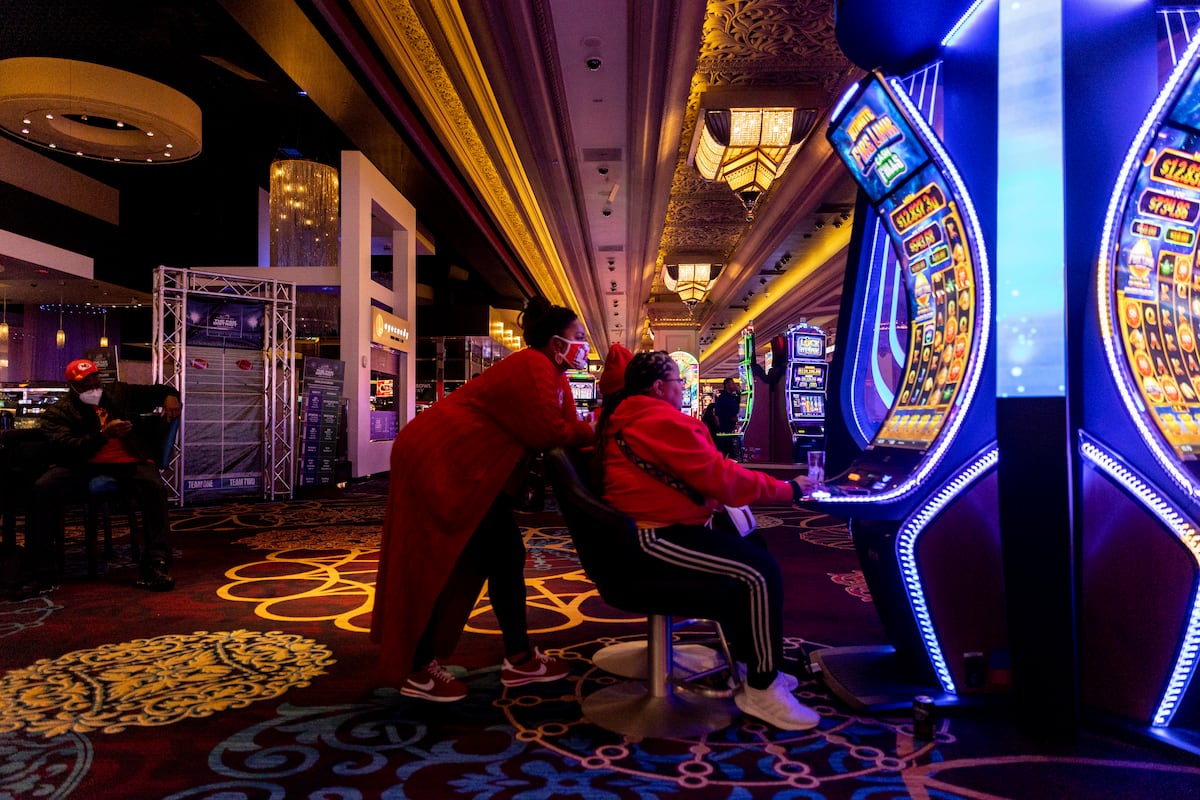
When themes connect naturally with features, the experience feels like storytelling rather than gambling. And perhaps, that’s what keeps players returning again and again. Ironically, sometimes we think we’re staying for the potential win, but really, it’s the world-building that keeps us invested.
Even subtle things like lighting effects or changing background animations when you win can alter your mood. It feels like the site itself celebrates alongside you. That sounds exaggerated, but it’s true for many players I’ve talked to. One of them joked that it’s almost like the platform knows when to “raise the energy” with a lucky soundbite or a visual burst. I found that oddly human.
Many platforms now have mini-games tied into their casino themes. A pirate-themed lobby might unlock a bonus round when you “find the treasure chest” instead of the usual click-to-spin mechanic. This sense of discovery transforms games from repetitive to dynamic experiences, something hardly achievable in physical brick-and-mortar venues.
Rewards play an enormous role in maintaining player engagement. Every casino has its version of attraction strategies, but the structure and how it’s presented make all the difference. Gone are the days of a simple sign-up bonus banner. Now, it’s layered and contextual, with levels and themed missions driving longer playtime. The language around bonuses has evolved too. "Rewards" sound friendlier, while "missions" feel like a challenge rather than an opportunity to spend more.
Bonuses are no longer just promotional hooks; they’re story elements, gently woven into the rhythm of each game world.
I’ve noticed that players appreciate choice. Being able to pick between, say, a cashback reward or free spins creates a sense of control. It’s psychological, sure, but it works well. These systems often tie to loyalty points or reward wheels, offering a small thrill every time someone hits a lucky milestone.
Each of these keeps people coming back, not only for financial gain but also for curiosity about what might come next. It’s a clever cycle that benefits both players and casinos alike.
Slots, once identical to each other, now tell small interactive stories. Designers experiment with movie-like sequences, background progression, and even micro-narratives between spins. Some providers incorporate community objectives, encouraging players to hit shared milestones. This touches on something social, even communal, in what used to be a solo affair.
Hover over me for a quick casino tip!
The technical sound design behind modern slots adds depth. Each click, win, or pause has its purpose. If done perfectly, the experience feels “just right.” Some studies even suggest these rhythmic feedback patterns build comfort and make play smoother. I can see why people fall into flow states easily — I’ve experienced that focus myself.
Years ago, payments were the least exciting part of any online casino. Slow, sometimes frustrating, they broke immersion. Thankfully, now things are smoother and safer. With encryption, verification tools, and a wide variety of payout options, depositing and withdrawing is nearly instant. Plus, cryptocurrency integration has opened a whole new level of anonymity and freedom for users who prefer minimal disclosure.
It might sound boring, but security often defines a player’s comfort. Quick verification steps like two-factor authentication or auto-verification through connected wallets remove friction. That balance between convenience and safety feels just right when executed properly.
Payment simplicity is part of what keeps online casinos modern and approachable for both experienced gamblers and curious newcomers.
It seems small, but these features collectively improve the feeling of trust, which in turn sustains longer relationships between users and platforms.
Q: What makes online casinos immersive today?
A: It’s the combination of dynamic visuals, interactive themes, and player-personalized content that keeps users emotionally engaged.
Q: Are bonuses still worth chasing?
A: They can be, but the key is choosing platforms that align bonuses with fair play and transparent conditions.
Q: How do I know a casino is secure?
A: Look for trusted payment methods, SSL certification, and visible regulatory information in the footer or about section.
Q: Is mobile gaming as immersive as desktop?
A: Surprisingly, yes. With adaptive interfaces and responsive graphics, mobile versions now match or even enhance the user experience offered by desktop apps.